Showing posts with label metro. Show all posts

Monday, 14 September 2015

Info on Episode 4: Cijin, Kaohsiung 高雄旗津


Time for Taiwan 2015-2016, Episode 4: Cijin, Kaohsiung (deluxe...
It's time for Taiwan!! 最棒的英語旅遊專題~ 讓你一邊旅行台灣一邊學英文!Time for Taiwan 2015-2016, Episode 4: Cijin, Kaohsiung (deluxe edit)2015-2016年「台灣好好玩」第四集:高雄旗津 (完整版)Transcript 文字稿:What do you do when you want to see the ocean and hear the crash of its waves when you're in Kaohsiung? Just hop on the MRT. Today I'm going to show you around Cijin.來到高雄,如果突然想看海景,聽浪聲,怎麼辦?搭上捷運就能夠到海邊啦。今天我要帶大家到旗津玩!I'm Michella. I grew up in the Silicon Valley and was a journalist in Taiwan for ten years. I like to run, grow hydroponic food and travel. I’m going to show you around the Taiwan that I know. I hope you’ll enjoy it as much as I do.我是米雪拉,在美國矽谷長大,回來台灣當了十年的新聞工作者,喜歡跑步,種水耕蔬菜,還有旅行。台灣好好玩,到底有多好玩,讓我和你分享。We’re at Central Park Station, and in order to get to Cijin, we need to take the orange line to Sizihwan. There’s this special ticket set that you can get which includes the fare of the MRT and the ferry, and a discount on bike rentals, but I'm going to stick to my iPass, because it works on the MRT and at convenience stores.這裡是高雄捷運中央公園站,到旗津呢,我們要搭橘線到西子灣。其實有個套票可以買,捷運票,船票,還有租腳踏車的折價券都包括在套票當中。不過,我要用我的一卡通,因為捷運,便利商店,也都能通。If you get the package, this is the bike rental place that will give you a discount but there are lots of options to get around, including public bikes and electric scooters.如果買套票,這家是配合活動的腳踏車租賃業者,其實還有很多其他的選擇,包括公共腳踏車,還有電動摩托車等等。From here we take the ferry, which is just down the street.從這裡呢,我們要去搭渡輪,這條街走到底就到了。There’s one thing I especially enjoy about this boat ride is: it’s only just ten minutes long, there’s not enough time to get seasick.這個船程有個地方我特別喜歡,就是它很短,才10分鐘,根本沒時間暈船。“Qi” in Cijin means “flag,” and “jin” has to do with “water.” From the air, this little area of land looks like a flag, which were triangular in the old days.旗津的「旗」是旗子的意思,「津」是跟水有關。鳥瞰旗津,像一面旗,古時候的旗,是三角形的。From here, you can see the city and the harbor. I think it’s quite lovely.從這裡可以看到市區和港口,我個人覺得蠻讚的。This fort was built in the Qing dynasty to guard Kaohsiung. Over the years, the military also dug a network of tunnels.旗後砲台是在清朝設立的,為的就是保護高雄。後來軍方在這裡也挖了四通八達的隧道。It's so dark in here, really mysterious. I feel super adventurous today. This is great.哇,這裡面好黑,好神祕。今天很有探險家精神。讚讚讚!This is an old bunker, soldiers used to look out through here and see if enemy is approaching. Da-da-da-da-da-da. Maybe. Maybe not.這裡以前是碉堡,阿兵哥就從這邊看是不是有敵人要上來了。然後就噠噠噠噠噠噠。或許。或許不是。哈哈哈。Cijin is where it all began for Kaohsiung. This is where explorers from China first came and settled. In fact, this was the point of entry for a lot of people, including missionaries, who brought not only Western religion, but modern medicine as well. The first church and hospital in Taiwan were here in Cijin.旗津是高雄的發源地,以前中國人來到南台灣開墾,就是從這裡開始。其實早期很多外國人也是從高雄進來台灣,包括傳教師,而這些傳教師不但帶來西方的宗教,還有現代醫學。台灣第一間教堂和第一間西醫院都在旗津。Mm, refreshing. This is how people in Kaohsiung and in Tainan eat tomatoes: raw, with a thick, sweet soy sauce, grated ginger and sugar. Let’s call that “salad.”好爽口~ 高雄和台南人都這樣吃番茄,配甜甜稠稠的醬油膏,薑末,還有砂糖。我們就叫這個「沙拉」吧。A lot of people come to Cijin and they have seafood, but you don't need me for that. I want to show you a fish noodle place I recently discovered. The noodles are made of fish meat, 98% fish meat, and the rest is just a little bit of flour to keep the fish meat noodles from sticking together. It’s really different. Really interesting. And I think quite good.很多人到旗津的時候都會跑去吃海產,這就不用我帶大家去了。今天我想帶你去的地方是一家我最近發現的魚麵店。麵條是98%魚肉做的,其他就是一點麵粉,讓魚肉麵條不黏在一起。很不一樣,很有趣,我覺得不錯吃。Quite thick and al dente. And healthy too because the protein and fiber content is higher than that of regular noodles.厚厚QQ的。而且健康,因為蛋白質和纖維比例比起一般麵,還要高。Right after they’re made, they’re put in the freezer, so there isn’ that overpowering fishy smell that reminds me of stinky socks. This is good. I like.因為麵一做好就放冷凍庫,沒有那種會讓人想起「臭腳燒」的魚腥味。這個好吃。我喜歡~This is the Pier 2 Art Center, also within walking distance from Sihziwan Station.這裡是駁二藝術特區,也是西子灣車站出來走路就能到的地方。I like Kaohsiung because it’s a big city, yet it’s laid back. There are big department stores, and yet there are lots of open spaces with history, culture and nature. It’s quite nice. You should come.我喜歡高雄,因為它是個大都市,但感覺蠻放鬆的。這裡有很大的百貨公司,但也有很空曠的空間,有歷史,有文化,有大自然。很棒。大家要來喔~民視新聞 翁郁容 彭柏勳 高雄報導--------------------------------------------------------------------------------Episode info:In this episode, we visited Cijin, Kaohsiung via the Kaohsiung MRT and ferry. We started our trip at Central Park Station, which is a nice little park with a dynamic looking metro entrance. The pigeons that sit in a line on top of the structure make for an interesting picture. There's a fountain in front of the station that lets people play in it. A lot of kids and dogs love it. This one seems a bit apprehensive.There are 2 lines on the Kaohsiung (KHH) MRT, Red and Orange. Sizihwan is on the Orange line, so from Central Park, week took the Red line and switched over to the Orange line at Formosa Boulevard Station, a very pretty station. Check out the "Dome of Light" glass art installment in the lobby of the Formosa Blvd Station if you get a chance.There's a ticket package for the MRT to Sizihwan, the ferry and bike rental, and you should be able to get it at any MRT station. The package is a discount on the bike rental, which means you still have to pay a little bit of money. You can go without the package and pay for the metro and ferry with an iPass, too. It's not that much more expensive, but we went without the package, too. If you want to rent a bike, there are bike rentals outside the station, and public bikes, or C-bikes, as well. C-bikes are free for the first hour, and NT6-20 after that. The system down there is a bit different from the Youbikes in Taipei/New Taipei/Changhua, and you need to first register (sorry, Chinese site only) your iPass on the internet if you are a resident. If you are not a resident, you can just use your credit card at the kiosk. The bikes are not as robust, so you can't ride it like a tank as you might in Taipei.If you get a bike near Sizihwan, you can take it on the ferry. If not, there are still more bike rental places on Cijin. There are even cycle rickshaws on Cijin, perhaps the only place in Taiwan with cycle rickshaws. I learned that most if not all the rickshaws are owned by rickshaw companies, and licenses were required for them. In the middle of the last century, the government encouraged rickshaw companies to phase into cars, and allowed rickshaw companies to exchange 2 rickshaw licenses for 1 car license. I don't normally think about these things, but it was interesting to hear. Imagining putting your hand out to hail a cycle rickshaw taxi instead of a car taxi. Cool!Two of the main attractions on Cijin are the lighthouse and the battery. The lighthouse is the second oldest one in Taiwan, not completely in its original shape and form - the building was moved a few meters away for a better and higher view. The battery was built in 1875 during the Qing Dynasty (Taiwan history is very complicated, most people here now are of Chinese descent, but in the last 390-some years have been ruled by the Dutch, Spanish, Chinese, Japanese and now is now currently the Republic of China, which started in China, but was defeated by Communist China, now People's Republic of China, and retreated to Taiwan to one day take back China, but the day never came). I personally find the battery more interesting. The bricks do have some design to them, there are several different patterns symbolizing things like fortune, success, longevity and other widely sought after aspects of life. Our guide told us that usually batteries are designed for defense and artistic designs are usually not a part of them, but because Taiwan was so far away from the mainland, artists took their liberty and did what they wanted.There seems to be tunnels everywhere, most of them are closed, but at least one wasn't blocked off, so we ventured in. You'll probably get attacked by mosquitoes like we did, so bring bug repellent.At the bottom of the hill, there is a bike path by the ocean and some areas are quite nice. There is a (overly decorated) tunnel on the path that you can ride through and adds a little bit of fun.For food, tomatoes are a tasty and healthy snack. People in southern Taiwan eat raw tomatoes with sugar, grated ginger, and a sweet soy sauce paste (sometimes even with plum powder too). You can find tomatoes in a lot of places. For the fish noodles, I think there is only one place that has it. It's called "Pepper Fish Noodle," and the menu is bilingual. I had the assorted fish noodles and crispy fried fish and shrimp dumplings. Tasty! The fish noodle place is at 44 Tongshan Road, open for lunch and dinner, closed Tuesdays.On the way back, or on a separate day, you can also visit Pier-2 Art Center, on the other side of Sizihwan Station. It used to be an old pier/train yard/container area and was converted to an arts/culture type of place. There are some shops, restaurants, galleries there worth checking out. Lots of open space. Makes for a nice afternoon stroll.If you still have energy left, take a walk along Love River in Kaohsiung after dinner. The night view is especially lovely.As for accommodations, we stayed at Howard Hotel, which is a bit old, but still very nice, very clean, comfortable, the service is quite good, and improvements seem to be continuously being made. The list price starts from about NT$3,200, but if you go through hotel booking websites, you might get a better deal.Have fun!Kaohsiung MRT: http://www.krtco.com.tw/en/iPass: https://www.i-pass.com.tw/EN/Range/StoreC-bike: http://www.c-bike.com.tw/english/ Pepper Fish Noodle: 07-571-1711Howard Hotel: http://kaohsiung.howard-hotels.com.twWardrobe and accessories:Shirt: Kotipesa (Taiwanese brand that I think is quite good at smart casual)Watch: Martian (American smartwatch, affordable and fashionable)Electric skateboard: Boosted (American last mile vehicle maker, I love it)Camera: Olympus TG860 (waterproof 15m, shockproof 2.5m, flipout screen, nicely priced)--------------------------------------------------------------------------------節目內容資訊:這一集的節目當中,我們到搭著高雄捷運到旗津玩。我們從中央公園站出發。中央公園蠻不錯的,捷運站出入口蠻壯觀的,屋頂上面常常坐著一排鴿子,感覺等人拍照。前方有個噴水池,很多小朋友和小狗喜歡跑進去,鑽來鑽去,玩得不亦樂乎。高雄捷運有兩條線,紅線和橘線。西子灣在橘線,中央公園在紅線,所以我們得先到美麗島站換車。有機會可以看看美麗島站裡面的光之穹頂,很漂亮喔。到旗津玩,有一個套票包含捷運車票,船票,腳踏車租賃,在捷運站的窗口都買得到,不過要注意的是,腳踏車部分只是折扣,所以還是要付錢喔~ 其實直接用一卡通搭捷運,搭船也可以,而且錢沒差那麼多啦。如果要租車,捷運站外,旗津都有腳踏車可以租,或者是出了西子灣捷運站,也有公共腳踏車C-bike可以租,不過要先上網註冊,台灣國籍或有台灣居留證的人可以註冊,沒有的話,就直接在租車站刷信用卡。高雄的c-bike感覺沒有台北youbike的穩和重,所以不要當坦克車騎喔。旗津上面除了有腳踏車類的交通工具可以租,還有三輪車,可能是台灣僅存有三輪車在營業的地方吧。聽說三輪車也是靠行制的,上個世紀汽車開始普遍之後,政府讓三輪車行拿兩張三輪車執照換一張汽車計程車執照,慢慢換,不過旗津因為地方小,還是有三輪車繼續載觀光客。我覺得蠻有趣的,舊舊的車,古早的味道。可以稍微想像可能50年前手伸出來,攔的不是汽車的計程車,而是三輪車。現代人來看古時候,有時候還覺得蠻有意思的。 旗津的燈塔和砲台是當地著名的景點。燈塔是台灣第二老的燈塔,以前在現在位置的旁邊,後來好像是為了更好的位置而搬家的。我個人覺得砲台比較有趣一點點,因為它磚塊的堆砌有些設計感。1875年清朝發資源和許可建立砲台,不過根據解說員,天高皇帝遠,師傅很自由的發揮創意,砌出很多不同代表富貴,長壽等等吉祥概念的設計。因為曾經是軍事管制地區,旗津有很多隧道,大部分都好像封起來了,不過我們看到至少一條可以進去。記得帶防蚊液,不然會像我,餵飽很多蚊子。回到底下,這裡有靠海的腳踏車步道可以騎車,還有一條有點過度裝飾的隧道可以騎,算好玩啦。吃的呢,番茄是個好吃又健康的點心。南部一個很有名的吃法是沾糖,薑末,比一般還醬油膏還要稠的醬油膏(醬油膏再加太白粉去煮稠),有時候還有梅子粉。好好吃~ 這裡有好幾家可以吃番茄的地方。魚麵好像只有一家了,叫做「胡椒手工魚麵」,通山路44號,中午和晚上營業,週二公休。推薦綜合魚麵還有香酥魚/蝦餃!可以打電話訂購宅配喔!電話在底下。玩玩旗津,回到西子灣,可以到車站另外一頭,那裡是駁二藝術特區,有商店,餐廳,畫廊,裝置藝術可以看,蠻適合下午去散步。還有體力的話,吃完晚餐可以到愛河畔走走,晚上的愛河氣氛很不錯~至於住宿,我們這次住在高雄福華飯店,定價大約3,200,透過一些網站訂搞不好更便宜。老飯店,但乾淨,舒適,服務好,有持續在進步。You should come!高雄捷運:http://www.krtco.com.tw/index.aspx一卡通:https://www.i-pass.com.twC-bike:http://www.c-bike.com.tw/Default.aspxC-bike 註冊:https://www.c-bike.com.tw/member_register1.aspx胡椒魚麵:07-571-1711高雄福華: http://kaohsiung.howard-hotels.com.tw服裝與配件:襯衫: kotipesä (台灣品牌,可休閒,可正式,很不錯)手錶: Martian摩絢錶 (美國品牌,時尚好用,價錢合理的智慧型手錶)電動滑板: Boosted Boards(美國公司,超方便,可惜台灣沒賣)相機: Olympus TG860 (防水 15m, 防摔 2.5m, 翻轉螢幕, 價錢合理)
Posted by FTV Time for Taiwan on Monday, September 14, 2015


Time for Taiwan 2015-2016, Episode 4: Cijin, Kaohsiung 高雄旗津
2015-2016年「台灣好好玩」第四集:高雄旗津

Transcript 文字稿:


What do you do when you want to see the ocean and hear the crash of its waves when you're in Kaohsiung? Just hop on the MRT. Today I'm going to show you around Cijin.來到高雄,如果突然想看海景,聽浪聲,怎麼辦?搭上捷運就能到海邊啦。今天我要帶大家到旗津玩!

I'm Michella. I grew up in the Silicon Valley and was a journalist in Taiwan for ten years. I like to run, grow hydroponic food and travel. I’m going to show you around the Taiwan that I know. I hope you’ll enjoy it as much as I do.我是米雪拉,在美國谷長大,回來台灣當了十年的新聞工作者,喜歡跑步,種水耕蔬菜,還有旅行。台灣好好玩,到底有多好玩,讓我和你分享。

We’re at Central Park Station, and in order to get to Cijin, we need to take the orange line to Sizihwan. There’s this special ticket set that you can get which includes the fare of the MRT and the ferry, and a discount on bike rentals, but I'm going to stick to my iPass, because it works on the MRT and at convenience stores.
這裡是高雄捷運中央公園站,到旗津呢,我們要搭橘線到西子灣。其實有個套票可以買,捷運票,船票,還有租腳踏車的折價券都包括在套票當中。不過,我要用我的一卡通,因為捷運,便利商店,也都能通。

If you get the package, this is the bike rental place that will give you a discount but there are lots of options to get around, including public bikes and electric scooters.
如果買套票,這家是配合活動的腳踏車租賃業者,其實還有很多其他的選擇,包括公共腳踏車,還有電動摩托車等等。

From here we take the ferry, which is just down the street.
從這裡呢,我們要去搭渡輪,這條街走到底就到了。

There’s one thing I especially enjoy about this boat ride is: it’s only just ten minutes long, there’s not enough time to get seasick.
這個船程有個地方我特別喜歡,就是它很短,才10分鐘,根本沒時間暈船。

“Qi” in Cijin means “flag,” and “jin” has to do with “water.” From the air, this little area of land looks like a flag, which were triangular in the old days.
旗津的「旗」是旗子的意思,「津」是跟水有關。鳥瞰旗津,像一面旗,古時候的旗,是三角形的。

From here, you can see the city and the harbor. I think it’s quite lovely.
從這裡可以看到市區和港口,我個人覺得蠻讚的。

This fort was built in the Qing dynasty to guard Kaohsiung. Over the years, the military also dug a network of tunnels.
旗後砲台是在清朝設立的,為的就是保護高雄。後來軍方在這裡也挖了四通八達的隧道。

It's so dark in here, really mysterious. I feel super adventurous today. This is great.
哇,這裡面好黑,好神祕。今天很有探險家精神。讚讚讚!

This is an old bunker, soldiers used to look out through here and see if enemy is approaching. Da-da-da-da-da-da. Maybe. Maybe not.
這裡以前是堡,阿兵哥就從這邊看是不是有敵人要上來了。然後就噠噠噠噠噠噠。或許。或許不是。哈哈哈。

Cijin is where it all began for Kaohsiung. This is where explorers from China first came and settled. In fact, this was the point of entry for a lot of people, including missionaries, who brought not only Western religion, but modern medicine as well. The first church and hospital in Taiwan were here in Cijin.
旗津是高雄的發源地,以前中國人來到南台灣開墾,就是從這裡開始。其實早期很多外國人也是從高雄進來台灣,包括傳教師,而這些傳教師不但帶來西方的宗教,還有現代醫學。台灣第一間教堂和第一間西醫院都在旗津。

Mm, refreshing. This is how people in Kaohsiung and in Tainan eat tomatoes: raw, with a thick, sweet soy sauce, grated ginger and sugar. Let’s call that “salad.”
好爽口~ 高雄和台南人都這樣吃番茄,配甜甜稠稠的醬油膏,薑末,還有砂糖。我們就叫這個「沙拉」吧。
A lot of people come to Cijin and they have seafood, but you don't need me for that. I want to show you a fish noodle place I recently discovered. The noodles are made of fish meat, 98% fish meat, and the rest is just a little bit of flour to keep the fish meat noodles from sticking together. It’s really different. Really interesting. And I think quite good.
很多人到旗津的時候都會跑去吃海產,這就不用我帶大家去了。今天我想帶你去的地方是一家我最近發現的魚麵店。麵條是98%魚肉做的,其他就是一點麵粉,讓魚肉麵條不黏在一起。很不一樣,很有趣,我覺得不錯吃。

Quite thick and al dente. And healthy too because the protein and fiber content is higher than that of regular noodles.
厚厚QQ的。而且健康,因為蛋白質和纖維比例比起一般麵,還要高。

Right after they’re made, they’re put in the freezer, so there isn’ that overpowering fishy smell that reminds me of stinky socks. This is good. I like.
因為麵一做好就放冷凍庫,沒有那種會讓人想起「臭腳燒」的魚腥味。這個好吃。我喜歡~


This is the Pier 2 Art Center, also within walking distance from Sihziwan Station.
這裡是駁二藝術特區,也是西子灣車站出來走路就能到的地方。

I like Kaohsiung because it’s a big city, yet it’s laid back. There are big department stores, and yet there are lots of open spaces with history, culture and  nature. It’s quite nice. You should come.
我喜歡高雄,因為它是個大都市,但感覺蠻放鬆的。這裡有很大的百貨公司,但也有很空曠的空間,有歷史,有文化,有大自然。很棒。大家要來喔~

民視新聞 翁郁容 彭柏勳 高雄報導


--------------------------------------------------------------------------------

Episode info:

In this episode, we visited Cijin, Kaohsiung via the Kaohsiung MRT and ferry. We started our trip at Central Park Station, which is a nice little park with a dynamic looking metro entrance. The pigeons that sit in a line on top of the structure make for an interesting picture. There's a fountain in front of the station that lets people play in it. A lot of kids and dogs love it. This one seems a bit apprehensive.


There are 2 lines on the Kaohsiung (KHH) MRT, Red and Orange. Sizihwan is on the Orange line, so from Central Park, week took the Red line and switched over to the Orange line at Formosa Boulevard Station, a very pretty station. Check out the "Dome of Light" glass art installment in the lobby of the Formosa Blvd Station if you get a chance.


There's a ticket package for the MRT to Sizihwan, the ferry and bike rental, and you should be able to get it at any MRT station. The package is a discount on the bike rental, which means you still have to pay a little bit of money. You can go without the package and pay for the metro and ferry with an iPass, too. It's not that much more expensive, but we went without the package, too. If you want to rent a bike, there are bike rentals outside the station, and public bikes, or C-bikes, as well. C-bikes are free for the first hour, and NT6-20 after that. The system down there is a bit different from the Youbikes in Taipei/New Taipei/Changhua, and you need to first register (sorry, Chinese site only) your iPass on the internet if you are a resident. If you are not a resident, you can just use your credit card at the kiosk. The bikes are not as robust, so you can't ride it like a tank as you might in Taipei.

If you get a bike near Sizihwan, you can take it on the ferry. If not, there are still more bike rental places on Cijin. There are even cycle rickshaws on Cijin, perhaps the only place in Taiwan with cycle rickshaws. I learned that most if not all the rickshaws are owned by rickshaw companies, and licenses were required for them. In the middle of the last century, the government encouraged rickshaw companies to phase into cars, and allowed rickshaw companies to exchange 2 rickshaw licenses for 1 car license. I don't normally think about these things, but it was interesting to hear. Imagining putting your hand out to hail a cycle rickshaw taxi instead of a car taxi. Cool!

Two of the main attractions on Cijin are the lighthouse and the battery. The lighthouse is the second oldest one in Taiwan, not completely in its original shape and form - the building was moved a few meters away for a better and higher view. The battery was built in 1875 during the Qing Dynasty (Taiwan history is very complicated, most people here now are of Chinese descent, but in the last 390-some years have been ruled by the Dutch, Spanish, Chinese, Japanese and now is now currently the Republic of China, which started in China, but was defeated by Communist China, now People's Republic of China, and retreated to Taiwan to one day take back China, but the day never came). I personally find the battery more interesting. The bricks do have some design to them, there are several different patterns symbolizing things like fortune, success, longevity and other widely sought after aspects of life. Our guide told us that usually batteries are designed for defense and artistic designs are usually not a part of them, but because Taiwan was so far away from the mainland, artists took their liberty and did what they wanted.

There seems to be tunnels everywhere, most of them are closed, but at least one wasn't blocked off, so we ventured in. You'll probably get attacked by mosquitoes like we did, so bring bug repellent.

At the bottom of the hill, there is a bike path by the ocean and some areas are quite nice. There is a (overly decorated) tunnel on the path that you can ride through and adds a little bit of fun.

For food, tomatoes are a tasty and healthy snack. People in southern Taiwan eat raw tomatoes with sugar, grated ginger, and a sweet soy sauce paste (sometimes even with plum powder too). You can find tomatoes in a lot of places. For the fish noodles, I think there is only one place that has it. It's called "Pepper Fish Noodle," and the menu is bilingual. I had the assorted fish noodles and crispy fried fish and shrimp dumplings. Tasty! The fish noodle place is at 44 Tongshan Road, open for lunch and dinner, closed Tuesdays.

On the way back, or on a separate day, you can also visit Pier-2 Art Center, on the other side of Sizihwan Station. It used to be an old pier/train yard/container area and was converted to an arts/culture type of place. There are some shops, restaurants, galleries there worth checking out. Lots of open space. Makes for a nice afternoon stroll.

If you still have energy left, take a walk along Love River in Kaohsiung after dinner. The night view is especially lovely.

As for accommodations, we stayed at Howard Hotel, which is a bit old, but still very nice, very clean, comfortable, the service is quite good, and improvements seem to be continuously being made. The list price starts from about NT$3,200, but if you go through hotel booking websites, you might get a better deal.

Have fun!

Kaohsiung MRT: http://www.krtco.com.tw/en/
iPass: https://www.i-pass.com.tw/EN/Range/Store
C-bike: http://www.c-bike.com.tw/english/ 
Pepper Fish Noodle: 07-571-1711
Howard Hotel: http://kaohsiung.howard-hotels.com.tw

Wardrobe and accessories:
Shirt: Kotipesa (Taiwanese brand that I think is quite good at smart casual)
Watch: Martian (American smartwatch, affordable and fashionable)
Electric skateboard: Boosted (American last mile vehicle maker, I love it)
Camera: Olympus TG860 (waterproof 15m, shockproof 2.5m, flipout screen, nicely priced)


--------------------------------------------------------------------------------

節目內容資訊:

這一集的節目當中,我們到搭著高雄捷運到旗津玩。我們從中央公園站出發。中央公園蠻不錯的,捷運站出入口蠻壯觀的,屋頂上面常常坐著一排鴿子,感覺等人拍照。前方有個噴水池,很多小朋友和小狗喜歡跑進去,鑽來鑽去,玩得不亦樂乎。

高雄捷運有兩條線,紅線和橘線。西子灣在橘線,中央公園在紅線,所以我們得先到美麗島站換車。有機會可以看看美麗島站裡面的光之穹頂,很漂亮喔。

到旗津玩,有一個套票包含捷運車票,船票,腳踏車租賃,在捷運站的窗口都買得到,不過要注意的是,腳踏車部分只是折扣,所以還是要付錢喔~ 其實直接用一卡通搭捷運,搭船也可以,而且錢沒差那麼多啦。如果要租車,捷運站外,旗津都有腳踏車可以租,或者是出了西子灣捷運站,也有公共腳踏車C-bike可以租,不過要先上網註冊,台灣國籍或有台灣居留證的人可以註冊,沒有的話,就直接在租車站刷信用卡。高雄的c-bike感覺沒有台北youbike的穩和重,所以不要當坦克車騎喔。

旗津上面除了有腳踏車類的交通工具可以租,還有三輪車,可能是台灣僅存有三輪車在營業的地方吧。聽說三輪車也是靠行制的,上個世紀汽車開始普遍之後,政府讓三輪車行拿兩張三輪車執照換一張汽車計程車執照,慢慢換,不過旗津因為地方小,還是有三輪車繼續載觀光客。我覺得蠻有趣的,舊舊的車,古早的味道。可以稍微想像可能50年前手伸出來,攔的不是汽車的計程車,而是三輪車。現代人來看古時候,有時候還覺得蠻有意思的。

旗津的燈塔和砲台是當地著名的景點。燈塔是台灣第二老的燈塔,以前在現在位置的旁邊,後來好像是為了更好的位置而搬家的。我個人覺得砲台比較有趣一點點,因為它磚塊的堆砌有些設計感。1875年清朝發資源和許可建立砲台,不過根據解說員,天高皇帝遠,師傅很自由的發揮創意,砌出很多不同代表富貴,長壽等等吉祥概念的設計。

因為曾經是軍事管制地區,旗津有很多隧道,大部分都好像封起來了,不過我們看到至少一條可以進去。記得帶防蚊液,不然會像我,餵飽很多蚊子。

回到底下,這裡有靠海的腳踏車步道可以騎車,還有一條有點過度裝飾的隧道可以騎,算好玩啦。

吃的呢,番茄是個好吃又健康的點心。南部一個很有名的吃法是沾糖,薑末,比一般還醬油膏還要稠的醬油膏(醬油膏再加太白粉去煮稠),有時候還有梅子粉。好好吃~ 這裡有好幾家可以吃番茄的地方。魚麵好像只有一家了,叫做「胡椒手工魚麵」,通山路44號,中午和晚上營業,週二公休。推薦綜合魚麵還有香酥魚/蝦餃!可以打電話訂購宅配喔!電話在底下。

玩玩旗津,回到西子灣,可以到車站另外一頭,那裡是駁二藝術特區,有商店,餐廳,畫廊,裝置藝術可以看,蠻適合下午去散步。

還有體力的話,吃完晚餐可以到愛河畔走走,晚上的愛河氣氛很不錯~

至於住宿,我們這次住在高雄福華飯店,定價大約3,200,透過一些網站訂搞不好更便宜。老飯店,但乾淨,舒適,服務好,有持續在進步。

You should come!

高雄捷運:http://www.krtco.com.tw/index.aspx
一卡通:https://www.i-pass.com.tw
C-bike:http://www.c-bike.com.tw/Default.aspx
C-bike 註冊:https://www.c-bike.com.tw/member_register1.aspx
胡椒魚麵:07-571-1711
高雄福華:http://kaohsiung.howard-hotels.com.tw


服裝與配件:
襯衫:Kotipesa (台灣品牌,可休閒,可正式,很不錯)
手錶:Martian (美國品牌,時尚好用,價錢合理的智慧型手錶)
電動滑板:Boosted (美國公司,超方便,可惜台灣沒賣)
相機: Olympus TG860 (防水 15m, 防摔 2.5m, 翻轉螢幕, 價錢合理)


Saturday, 12 September 2015

Info on Episode 3: Ciaotou and Ten Drum, Kaohsiung 高雄橋頭糖廠 十鼓文創園區


2015-2016 Episode 3 Ciaotou and Ten Drum, Kaohsiung 高雄橋頭糖廠,十鼓文...
It's time for Taiwan!!最棒的英語旅遊專題~讓你一邊旅行台灣一邊學英文!Time for Taiwan 2015-2016, Episode 3: Ciaotou and Ten Drum, Kaohsiung (deluxe edit)2015-2016年「台灣好好玩」第三集:高雄橋頭糖廠,十鼓文創園區 (完整版)Transcript 文字稿:How about some art, history and music today? Let’s go to the Ten Drum Culture Village in Kaohsiung. 今天來點藝術,歷史,和音樂,如何?走,我們到高雄的十鼓文創園區玩~I'm Michella. I grew up in the Silicon Valley and was a journalist in Taiwan for ten years. I like to run, grow hydroponic food and travel. I’m going to show you around the Taiwan that I know. I hope you’ll enjoy it as much as I do.我是米雪拉,在美國矽谷長大,回來台灣當了十年的新聞工作者,喜歡跑步,種水耕蔬菜,還有旅行。台灣好好玩,到底有多好玩,讓我和你分享。We are here at Formosa Boulevard and Ten Drum is along the red line, inside the old Sugar Refinery at Ciaotou. San Francisco has Clipper cards for its public transportation system, and Kaohsiung has the iPass. You beep in and out of train stations with this and you can even use this at convenience stores, so it's super, super handy.這裡是高捷美麗島站,十鼓在紅線上,橋頭糖廠文創園區裡面。美國舊金山有Clipper卡可以使用在大眾交通上,高雄則有一卡通,可以嗶進嗶出,而且在便利商店也能使用,真的很方便。The card is NT$100 and you have to charge it; credit can also refunded when you don't need the card anymore.一張卡100元,要儲值,沒用完還可以將餘額退還。Kaohsiung has become so much easier to travel now that there’s the MRT. It’s clean, it comfortable and some of the stations are really beautiful.高雄自從有捷運之後,旅遊方便很多。乾淨,舒適,而且有些捷運站特別漂亮。 We got on at Formosa Boulevard - this station was voted one of the most beautiful stations in the world.我們是在美麗島站上車的,這裡被票選為世界上最美麗的車站之一。This is called “Dome of Light” and tells the story of life with 4,500 pieces of glass, and is one of the world’s largest public glass works of art.這叫做「光之穹頂」,講的是生命的故事,是由4,500片琉璃組成的,是世界上最大的琉璃公共藝術之一。Here’s a photography tip, shoot it from a really low angle. Use the flip out screen if you have one.拍照小撇步,從很低很低的角度來拍,有翻轉螢幕的話,記得翻出來用喔~This is the old Ciaotou sugar refinery, it was the first modern sugar refinery in Taiwan, set up in the early 20th century during the Japanese occupation and made sugar for 97 years.這裡是橋頭糖廠,是台灣第一個機械化糖廠,在20世紀初,日治時代設立的,營運了大約97年。It closed down in 1999 and now they're trying to revive it as an arts and culture park.1999年,糖廠停止製糖,現在他們正在努力轉型,成為文創園區。This place is pretty big, so you might want to rent a bike. There’s a bike rental and Ten Drum show tickets package here that’s a pretty good deal.這裡腹地很大,所以建議租一輛腳踏車。這邊有包含觀賞十鼓水劇場的套票,蠻優惠的。Show you where to go for a nice ride.走,帶你去風景漂亮的地方兜風。My grandparents, who are Taiwanese, actually grew up speaking Japanese. Taiwan was Japan’s first overseas colony, and the occupation lasted for about 50 years, from 1895 to 1945. They modernized much of Taiwan, including this sugar refinery.我阿公阿媽都是台灣人,但他們小時候都講日文。台灣是日本第一個海外殖民地,日治時代長達50年,從1895年到1945年。日本人引進許多現代的機械和技術,包括在糖廠製糖上的應用。During the occupation, the locals were often unhappy about being governed by the Japanese and occasionally unrest broke out. To promote peace, the Japanese used Buddhism, the common religion between Taiwan and Japan, and made a shrine here for people to pray to Guanyin. But instead of gold plating the statue, the Japanese decided to leave the copper as is, to prevent the statue from getting stolen in the middle of the night.日治時期,當地居民對日本統治者不滿,偶爾發生衝突,因此日本人就用兩國之間的共同宗教,佛教,來調解和平。他們在這裡設立了觀音的雕像,不過沒有鍍金,因為害怕半夜,會被人搬走。Legend has it, The Yellow Emperor, who lived in the 2500’s BC, was the inventor of the drum. In one of his famous battles, he ordered his 80 drummers to stay hidden, but strike their giant drums with all their might. The enemy heard the sound and thought that the Yellow Emperor had summoned thunder. The decided to run for their lives because they thought they were no match for the Yellow Emperor and his super powers.傳說中,鼓是在西元前2500年,軒轅黃帝所發明的。在一場戰役當中,他命令80名鼓手躲起來同時用力擊鼓。敵人想說,黃帝竟然可以操縱雷,實在太厲害了,所以決定逃命。Ten Drums is a traditional Chinese drum percussion group. Their work has been nominated for a Grammy Award in the Best Traditional World Music category. Here they have shows every morning and afternoon that I personally like quite a bit.十鼓是一個傳統中國鼓的打擊樂團體,他們的作品曾經入圍葛萊美獎世界音樂專輯獎。他們每天上午和下午都定時舉辦表演,很好看喔~Dramatic, right? The kungfu, Chinese instruments and water elements were so cool. Makes me want to try.好震撼喔。武術,中國樂器,還有水等等的元素真的好酷。忍不住想試試看!Both the Ten Drums Culture Village and this old sugar refinery at first sight may not seem like much. But if you take time explore, it might start to grow on you. This sugar refinery was shut down for more than ten years, and it’s in the process of resurrecting and finding a new identity. It’s interesting to be part of the process I think, and it’s interesting times for this place. You should come.十鼓和糖廠本身,乍看之下,好像沒什麼,不過其實慢慢去探索,你會發現,越看越有趣。糖廠過去有好一段時間沒有運作,但被注入新生命之後,它開始重生,努力尋找出路。能夠參與這段歷史,很有意義,而這重生的過程,也很有意思。大家要來喔。--------------------------------------------------------------------------------Episode info:In this episode we visited Ciaotou Sugar Refinery and Ten Drum Culture Village.We started our journey at Kaohsiung MRT's Formosa Boulevard Station, a station with an amazing glass dome lobby called “Dome of Light,” designed by Italian artist Narcissus Quagliata. The structure is 30 meters across and is composed of 4,500 pieces of glass. With a wide angle lens, it looks especially beautiful. If you want to be in the picture, though, make sure you don’t stand on the side if you’re using a wide angle lens, otherwise your face and/or body will get stretched, making you look really fat. I wouldn’t want that to happen to me so… Heh heh heh.There are only 2 lines in the KHH (Kaohsiung) metro network, so it’s not very confusing. To go directly to Ten Drum Culture Village, you can take the red line to Ciaotou Station. But I recommend going to Ciaotou Sugar Refinery and walk through the refinery to Ten Drum because it’s really close and there are things to see at the refinery too.If you want a guide at Ciaotou, you can call and make a reservation in advance. It’s NT$1,500 for a 1.5 hour tour for up to 50 people, in Chinese. You can make a reservation by calling 07-611-3691. Probably no English service, unfortunately.When you exit Ciaotou Sugar Refinery station, there’s a bike rental place inside the station already. But if you want the rental+Ten Drum package, you need to exit the station, turn left and walk maybe 200 meters to the next bike rental shop called “Uncle Bike." The owner is very nice young man, I spoke to him for a bit and even lent him my skateboard.If you get a bike, there’s a bike path with pineapple fields next to it and trees on both sides of the path, when the light shines through the foliage, it’s quite beautiful. This is the path I rode on in the video. There are a few small roads back there to explore, and even some graves, which are an interesting sight if doesn’t make you uncomfortable. Graves in Taiwan are usually round in shape, with a mound of dirt in the middle, sloping up towards the back. Wonder if that’s where the body is buried… My grandparents’ graves are different - they have marble top covers that can be can be easily opened (often the remains are removed after a certain number of years so when other family members, or other people if it’s a public grave, pass away, the plot can be reused). I personally would prefer being cremated and my ashes compressed into a diamond for my husband to wear as an earring.On the weekends, you can ride the old train that transported the sugar canes, which is kinda fun. On the grounds you’ll also find cafes and shops. I think a lot of this space used to be employee dorms.Before going into the factory, I suggest you look for the warehouses with displays that tell about the history of the refinery, and how sugar is made. Then go into the old factory and imagine all the noise, people and the smell of pulp and cane sugar juice that used to be in the air. In the morning and afternoon when the light comes in at an angle, the ambience is kind of interesting. I felt like I was looking at something in a peaceful, eternal sleep.There are a lot of old warehouses there. Some of them are still vacant and haven’t really been cared for. There’s broken glass, a lot of dirt, and though it might not sound very nice, a lot people love to take pictures of it, and in front of it! My husband loves that kind of thing. Lots of people like to take wedding photos in front of the dilapidated buildings. I suppose when the subject is dressed up and glossed up, the contrast of the old, forgotten and decayed background makes a good photograph. I suppose. I prefer clean places.Some of the warehouses are rented to artists and the others are to Ten Drum. Regular admissions to the Ten Drum Culture Park are NT$100, all of which you can use toward any purchase in the souvenir shop or restaurant. I recommend getting the show tickets, which are NT$300 a person, includes admission to the park, a guided tour (unfortunately, only in Chinese), and the drum workshop. They don’t offer English guides, but can hire an interpreter for you, and I believe the fee for that is NT$300.I’ve seen some different drum performances, Japanese, Chinese, Taiwanese…this one though I think is quite unique because they use water in their shows. My impression of drummers is that they’re usually quite hydrophobic when their instruments are around, because water damages drums. Ten Drums apparently water proof theirs and have a good time splashing water around when they play. It’s quite cool.After the performance and after you exit the theater, you can get pictures with the drummers if you like. After that, your guide will take you to the drum workshop and teach you how to play. I love to play with things, so I think my favorite part of the Ten Drum experience was the drum workshop bit.Ten Drum also has a simple restaurant on site, and the food is decent.Have fun!Kaohsiung MRT: http://www.krtco.com.tw/en/Ciaotou Sugar Refinery: 07-611-3691 (can’t seem to find their website)Electric skateboard: Boosted (American last mile vehicle maker, I love it)Ten Drum: http://www.tendrum-cultrue.com.tw/index.phpUncle Bike: https://www.facebook.com/單車大叔1號店-1515033628773786/timeline/Wardrobe and accessories:Overalls: Kotipesa (Taiwanese brand)Watch: Martian (American smartwatch, affordable and fashionable)--------------------------------------------------------------------------------節目內容資訊:在這一集好好玩裡面,我們到了高雄糖廠和十鼓文創園區。這次我們從高雄捷運美麗島站開始玩。站裡的「光之穹頂」好漂亮,必看,必拍!光之穹頂是由一位叫做Narcissus Quagliata的藝術家所創作的,整個裝置大約30公尺寬,使用了4,500片琉璃所製。因為很寬,廣角鏡頭拍起來特別好看,不過呢,如果想把自己也拍進去,記得不要把人放在畫面的邊邊,不然會看起來很胖喔~~~ 原因是,廣角鏡會把邊緣拉寬,臉拉寬通常不會有好的效果。很可能換來跺腳和「吼,怎麼把我拍成釀子啦!」。高捷目前只有兩條線,所以搭起來不會太複雜。如果直接殺到十鼓文化園區的話,可以搭到橋頭火車站。不過我建議搭到橋頭糖廠,先逛糖廠然後再走到十鼓,反正很近。到糖廠玩,如果需要導覽,要提前申請(打電話去 07-611-3691),一個半小時的導覽1,500元,人數最多50。橋頭糖廠站裡面就有一間腳踏車租賃店,不過如果要買十鼓水劇場和腳踏車的套票,要出站,往左走,大概200公尺後,左手邊有家「單車大叔」。老闆年親,親切,我們聊了一會兒,我還借他玩我的滑板。如果租腳踏車,可以往小學的方向走,後面有一條腳踏車道,節目中我就是在那邊滑滑板,腳踏車道兩旁都是樹,有斑斕光,旁邊有鳳梨田,還蠻漂亮的。那附近還有幾條小路可以騎,旁邊有夜總會。不忌諱的人,其實小路還蠻好玩的。說到夜總會,最近看新聞看到歐洲有個把骨灰做成鑽石的服務,感覺還不錯。我還蠻希望把自己的骨灰壓成鑽石做成一個耳環,讓好ㄤ戴。只是我覺得他不會願意戴耳環。Oh well.回到糖廠,假日的時候這裡有以前載甘蔗用的五分車可以搭。廠區裡面還有一些咖啡廳和餐店,這些空間以前可能都是員工宿舍。工廠的那一區有好幾個老倉庫。有幾個裡面講著糖廠的故事,歷史,製糖過程等等。看了這些展示之後再進去廠房可能比較好,比較看得懂。然後在廠房可以試著想像以前裡面可能有的聲音,在空氣中飄著的甘蔗汁味。廠房早上和下午沒人的時候太陽光從斜斜的角度灑進來,有一種特別的氣氛,有一點看著歷史文物安祥長眠的感覺。糖廠裡面有好多倉庫,有一些繼續閒置著,有些玻璃窗破掉沒有修,從外面偷窺,裡面灰塵相當厚,不過這不見得不好。有些人說去整理,可能會被整理過頭,失去它原本的味道(這我能了解),不整理反而能保留原貌。廢墟其實也是一個很多人喜歡拍攝的主題。甚至很多人來這裡拍婚紗。或許光鮮亮麗的主角讓破舊的廢墟襯托,是一個很有趣的畫面。我們家好ㄤ就很愛拍這種。我呢...還是喜歡乾乾淨淨的空間。當中整理過的倉庫,有些出租給藝術家當做工作室和展示空間,有些則是租給十鼓當做他們的文化園區。十鼓的門票100元,全額可以拿去販賣部抵消。我建議買十鼓水劇場的票,300元。水劇場的票包含園區的門票,水劇場的表演,園區的中文導覽,還有打鼓體驗。我看過幾種不同的打鼓表演,中式,日式等等,而我覺得十鼓的真的蠻特別的,因為他們在表演當中有水幕,舞台地板上也有水,鼓手在水池裡面跳來跳去打鼓,濺得到處都是,但沒人擔心鼓被弄溼。一般看到的鼓手,都離水遠遠的,因為怕鼓弄溼,會壞掉。所以十鼓這方面還蠻酷的。鼓不怕濕。表演結束後,可以跟鼓手拍照,然後導覽員會帶你到我個人認為最好玩的部分:打鼓體驗!老師會教你簡單打我就是喜歡動手玩東西~小朋友應該也會玩得很開心。肚子餓的話,十鼓自己有餐廳,還不錯吃~大家要來喔~高雄捷運: http://www.krtco.com.tw/train_info/service-1.aspx橋頭糖廠: 07-611-3691 (找不到官網)十鼓文創: http://www.tendrum-cultrue.com.tw/index.php單車大叔: https://www.facebook.com/單車大叔1號店-1515033628773786/timeline/服裝和配件:連身迷彩飛行裝: kotipesä (台灣品牌)手錶: Martian摩絢錶 (美國品牌,時尚又不會太貴的智慧型手錶)電動滑板: Boosted Boards (美國買的,超愛)
Posted by FTV Time for Taiwan on Friday, September 11, 2015


Time for Taiwan 2015-2016, Episode 3: Ciaotou and Ten Drum, Kaohsiung
2015-2016年「台灣好好玩」第三集:高雄橋頭糖廠,十鼓文創園區


Transcript 文字稿:


How about some art, history and music today? Let’s go to the Ten Drum Culture Village in Kaohsiung. 
今天來點藝術,歷史,和音樂,如何?走,我們到高雄的十鼓文創園區玩~

I'm Michella. I grew up in the Silicon Valley and was a journalist in Taiwan for ten years. I like to run, grow hydroponic food and travel. I’m going to show you around the Taiwan that I know. I hope you’ll enjoy it as much as I do.
我是米雪拉,在美國谷長大,回來台灣當了十年的新聞工作者,喜歡跑步,種水耕蔬菜,還有旅行。台灣好好玩,到底有多好玩,讓我和你分享。

We are here at Formosa Boulevard and Ten Drum is along the red line, inside the old Sugar Refinery at Ciaotou. San Francisco has Clipper cards for its public transportation system, and Kaohsiung has the iPass. You beep in and out of train stations with this and you can even use this at convenience stores, so it's super, super handy.
這裡是高捷美麗島站,十鼓在紅線上,橋頭糖廠文創園區裡面。美國舊金山有Clipper卡可以使用在大眾交通上,高雄則有一卡通,可以嗶進嗶出,而且在便利商店也能使用,真的很方便。

The card is NT$100 and you have to charge it; credit can also refunded when you don't need the card anymore.
一張卡100元,要儲,沒用完還可以將餘額退還。

Kaohsiung has become so much easier to travel now that there’s the MRT. It’s clean, it comfortable and some of the stations are really beautiful.
高雄自從有捷運之後,旅遊方便很多。乾淨,舒適,而且有些捷運站特別漂亮。 

We got on at Formosa Boulevard - this station was voted one of the most beautiful stations in the world.
我們是在美麗島站上車的,這裡被票選為世界上最美麗的車站之一。

This is called “Dome of Light” and tells the story of life with 4,500 pieces of glass, and is one of the world’s largest public glass works of art.
這叫做「光之穹頂」,講的是生命的故事,是由4,500片琉璃組成的,是世界上最大的琉璃公共藝術之一。

Here’s a photography tip, shoot it from a really low angle. Use the flip out screen if you have one.
拍照小撇步,從很低很低的角度來拍,有翻轉螢幕的話,記得翻出來用喔~

This is the old Ciaotou sugar refinery, it was the first modern sugar refinery in Taiwan, set up in the early 20th century during the Japanese occupation and made sugar for 97 years.
這裡是橋頭糖廠,是台灣第一個機械化糖廠,在20世紀初,日治時代設立的,營運了大約97年。

It closed down in 1999 and now they're trying to revive it as an arts and culture park.
1999年,糖廠停止製糖,現在他們正在努力轉型,成為文創園區。

This place is pretty big, so you might want to rent a bike. There’s a bike rental and Ten Drum show tickets package here that’s a pretty good deal.
這裡腹地很大,所以建議租一輛腳踏車。這邊有包含觀賞十鼓水劇場的套票,蠻優惠的。

Show you where to go for a nice ride.
走,帶你去風景漂亮的地方兜風。

My grandparents, who are Taiwanese, actually grew up speaking Japanese. Taiwan was Japan’s first overseas colony, and the occupation lasted for about 50 years, from 1895 to 1945. They modernized much of Taiwan, including this sugar refinery.
我阿公阿媽都是台灣人,但他們小時候都講日文。台灣是日本第一個海外殖民地,日治時代長達50年,從1895年到1945年。日本人引進許多現代的機械和技術,包括在糖廠製糖上的應用。

During the occupation, the locals were often unhappy about being governed by the Japanese and occasionally unrest broke out. To promote peace, the Japanese used Buddhism, the common religion between Taiwan and Japan, and made a shrine here for people to pray to Guanyin. But instead of gold plating the statue, the Japanese decided to leave the copper as is, to prevent the statue from getting stolen in the middle of the night.
日治時期,當地居民對日本統治者不滿,偶爾發生衝突,因此日本人就用兩國之間的共同宗教,佛教,來調解和平。他們在這裡設立了觀音的雕像,不過沒有鍍金,因為害怕半夜,會被人搬走。

Legend has it, The Yellow Emperor, who lived in the 2500’s BC, was the inventor of the drum. In one of his famous battles, he ordered his 80 drummers to stay hidden, but strike their giant drums with all their might. The enemy heard the sound and thought that the Yellow Emperor had summoned thunder. The decided to run for their lives because they thought they were no match for the Yellow Emperor and his super powers.
傳說中,鼓是在西元前2500年,軒轅黃帝所發明的。在一場戰役當中,他命令80名鼓手起來同時用力擊鼓。敵人想說,黃帝竟然可以操縱雷,實在太厲害了,所以決定逃命。

Ten Drums is a traditional Chinese drum percussion group. Their work has been nominated for a Grammy Award in the Best Traditional World Music category. Here they have shows every morning and afternoon that I personally like quite a bit.
十鼓是一個傳統中國鼓的打擊樂團體,他們的作品曾經入圍葛萊美獎世界音樂專輯獎。他們每天上午和下午都定時舉辦表演,很好看喔~

Dramatic, right? The kungfu, Chinese instruments and water elements were so cool. Makes me want to try.
好震撼喔。武術,中國樂器,還有水等等的元素真的好酷。忍不住想試試看!

Both the Ten Drums Culture Village and this old sugar refinery at first sight may not seem like much. But if you take time explore, it might start to grow on you. This sugar refinery was shut down for more than ten years, and it’s in the process of resurrecting and finding a new identity. It’s interesting to be part of the process I think, and it’s interesting times for this place. You should come.
十鼓和糖廠本身,乍看之下,好像沒什麼,不過其實慢慢去探索,你會發現,越看越有趣。糖廠過去有好一段時間沒有運作,但被注入新生命之後,它開始重生,努力尋找出路。能參與這段歷史,很有意義,而這重生的過程,也很有意思。大家要來喔。


--------------------------------------------------------------------------------

Episode info:

In this episode we visited Ciaotou Sugar Refinery and Ten Drum Culture Village.
We started our journey at Kaohsiung MRT's Formosa Boulevard Station, a station with an amazing glass dome lobby called “Dome of Light,” designed by Italian artist Narcissus Quagliata. The structure is 30 meters across and is composed of 4,500 pieces of glass. With a wide angle lens, it looks especially beautiful. If you want to be in the picture, though, make sure you don’t stand on the side if you’re using a wide angle lens, otherwise your face and/or body will get stretched, making you look really fat. I wouldn’t want that to happen to me so… Heh heh heh.


A panoramic stitch is fun too.


Here's the Kaohsiung MRT map concerning this trip.


There are only 2 lines in the KHH (Kaohsiung) metro network, so it’s not very confusing. To go directly to Ten Drum Culture Village, you can take the red line to Ciaotou Station. But I recommend going to Ciaotou Sugar Refinery and walk through the refinery to Ten Drum because it’s really close and there are things to see at the refinery too.

If you want a guide at Ciaotou, you can call and make a reservation in advance. It’s NT$1,500 for a 1.5 hour tour for up to 50 people, in Chinese. You can make a reservation by calling 07-611-3691. Probably no English service, unfortunately.

When you exit Ciaotou Sugar Refinery station, there’s a bike rental place inside the station already. But if you want the rental+Ten Drum package, you need to exit the station, turn left and walk maybe 200 meters to the next bike rental shop called “Uncle Bike." The owner is very nice young man, I spoke to him for a bit and even lent him my skateboard.


If you get a bike, there’s a bike path with pineapple fields next to it and trees on both sides of the path, when the light shines through the foliage, it’s quite beautiful. This is the path I rode on in the video. There are a few small roads back there to explore, and even some graves, which are an interesting sight if doesn’t make you uncomfortable. Graves in Taiwan are usually round in shape, with a mound of dirt in the middle, sloping up towards the back. Wonder if that’s where the body is buried… My grandparents’ graves are different - they have marble top covers that can be can be easily opened (often the remains are removed after a certain number of years so when other family members, or other people if it’s a public grave, pass away, the plot can be reused). I personally would prefer being cremated and my ashes compressed into a diamond for my husband to wear as an earring.

On the weekends, you can ride the old train that transported the sugar canes, which is kinda fun. On the grounds you’ll also find cafes and shops. I think a lot of this space used to be employee dorms.
Before going into the factory, I suggest you look for the warehouses with displays that tell about the history of the refinery, and how sugar is made. Then go into the old factory and imagine all the noise, people and the smell of pulp and cane sugar juice that used to be in the air. In the morning and afternoon when the light comes in at an angle, the ambience is kind of interesting. I felt like I was looking at something in a peaceful, eternal sleep.


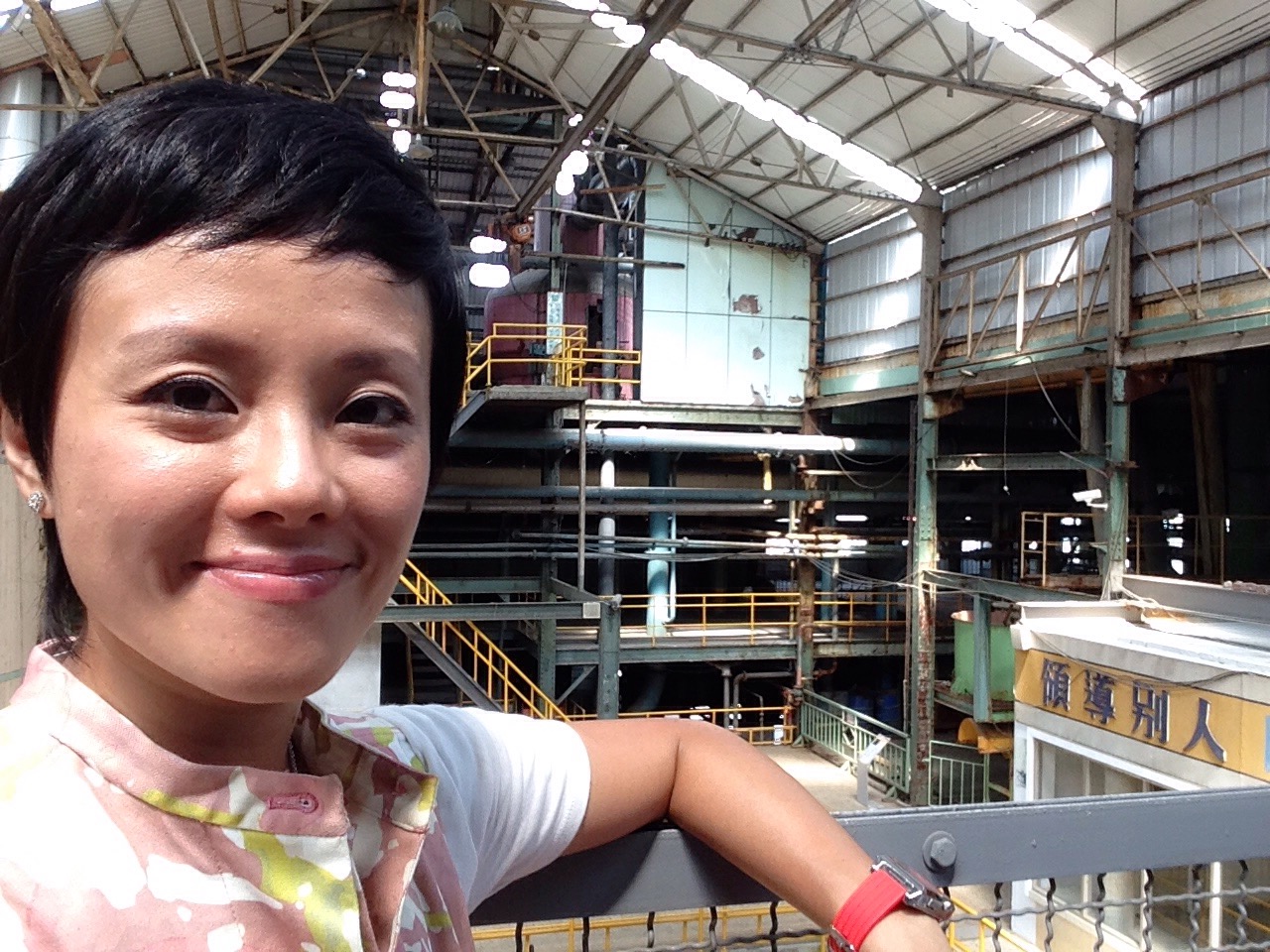
There are a lot of old warehouses there. Some of them are still vacant and haven’t really been cared for. There’s broken glass, a lot of dirt, and though it might not sound very nice, a lot people love to take pictures of it, and in front of it! My husband loves that kind of thing. Lots of people like to take wedding photos in front of the dilapidated buildings. I suppose when the subject is dressed up and glossed up, the contrast of the old, forgotten and decayed background makes a good photograph. I suppose. I prefer clean places.


Some of the warehouses are rented to artists and the others are to Ten Drum. Regular admissions to the Ten Drum Culture Park are NT$100, all of which you can use toward any purchase in the souvenir shop or restaurant. I recommend getting the show tickets, which are NT$300 a person, includes admission to the park, a guided tour (unfortunately, only in Chinese), and the drum workshop. They don’t offer English guides, but can hire an interpreter for you, and I believe the fee for that is NT$300.


I’ve seen some different drum performances, Japanese, Chinese, Taiwanese…this one though I think is quite unique because they use water in their shows. My impression of drummers is that they’re usually quite hydrophobic when their instruments are around, because water damages drums. Ten Drums apparently water proof theirs and have a good time splashing water around when they play. It’s quite cool.


After the performance and after you exit the theater, you can get pictures with the drummers if you like. After that, your guide will take you to the drum workshop and teach you how to play. I love to play with things, so I think my favorite part of the Ten Drum experience was the drum workshop bit.
Ten Drum also has a simple restaurant on site, and the food is decent.


Have fun!

Kaohsiung MRT: http://www.krtco.com.tw/en/
Ciaotou Sugar Refinery: 07-611-3691 (can’t seem to find their website)
Ten Drum: http://www.tendrum-cultrue.com.tw/index.php
Uncle Bike: https://www.facebook.com/單車大叔1號店-1515033628773786/timeline/

Wardrobe and accessories:
Overalls: Kotipesa (Taiwanese brand)
Watch: Martian (American smartwatch, affordable and fashionable)
Electric skateboard: Boosted (American last mile vehicle maker, I love it)

--------------------------------------------------------------------------------

節目內容資訊:

在這一集好好玩裡面,我們到了高雄糖廠和十鼓文創園區

這次我們從高雄捷運美麗島站開始玩。站裡的「光之穹頂」好漂亮,必看,必拍!光之穹頂是由一位叫做Narcissus Quagliata的藝術家所創作的,整個裝置大約30公尺寬,使用了4,500片琉璃所製。因為很寬,廣角鏡頭拍起來特別好看,不過呢,如果想把自己也拍進去,記得不要把人放在畫面的邊邊,不然會看起來很胖喔~~~ 原因是,廣角鏡會把邊緣拉寬,臉拉寬通常不會有好的效果。很可能換來跺腳和「吼,怎麼把我拍成釀子啦!」。

高捷目前只有兩條線,所以搭起來不會太複雜。如果直接殺到十鼓文化園區的話,可以搭到橋頭火車站。不過我建議搭到橋頭糖廠,先逛糖廠然後再走到十鼓,反正很近。

到糖廠玩,如果需要導覽,要提前申請(打電話去 07-611-3691),一個半小時的導覽1,500元,人數最多50。


橋頭糖廠站裡面就有一間腳踏車租賃店,不過如果要買十鼓水劇場和腳踏車的套票,要出站,往左走,大概200公尺後,左手邊有家「單車大叔」。老闆年親,親切,我們聊了一會兒,我還借他玩我的滑板。


如果租腳踏車,可以往小學的方向走,後面有一條腳踏車道,節目中我就是在那邊滑滑板,腳踏車道兩旁都是樹,有斑斕光,旁邊有鳳梨田,還蠻漂亮的。那附近還有幾條小路可以騎,旁邊有夜總會。不忌諱的人,其實小路還蠻好玩的。說到夜總會,最近看新聞看到歐洲有個把骨灰做成鑽石的服務,感覺還不錯。我還蠻希望把自己的骨灰壓成鑽石做成一個耳環,讓好ㄤ戴。只是我覺得他不會願意戴耳環。Oh well.


回到糖廠,假日的時候這裡有以前載甘蔗用的五分車可以搭。廠區裡面還有一些咖啡廳和餐店,這些空間以前可能都是員工宿舍。

工廠的那一區有好幾個老倉庫。有幾個裡面講著糖廠的故事,歷史,製糖過程等等。看了這些展示之後再進去廠房可能比較好,比較看得懂。然後在廠房可以試著想像以前裡面可能有的聲音,在空氣中飄著的甘蔗汁味。廠房早上和下午沒人的時候太陽光從斜斜的角度灑進來,有一種特別的氣氛,有一點看著歷史文物安祥長眠的感覺。

糖廠裡面有好多倉庫,有一些繼續閒置著,有些玻璃窗破掉沒有修,從外面偷窺,裡面灰塵相當厚,不過這不見得不好。有些人說去整理,可能會被整理過頭,失去它原本的味道(這我能了解),不整理反而能保留原貌。廢墟其實也是一個很多人喜歡拍攝的主題。甚至很多人來這裡拍婚紗。或許光鮮亮麗的主角讓破舊的廢墟襯托,是一個很有趣的畫面。我們家好ㄤ就很愛拍這種。我呢...還是喜歡乾乾淨淨的空間。

當中整理過的倉庫,有些出租給藝術家當做工作室和展示空間,有些則是租給十鼓當做他們的文化園區。十鼓的門票100元,全額可以拿去販賣部抵消。我建議買十鼓水劇場的票,300元。水劇場的票包含園區的門票,水劇場的表演,園區的中文導覽,還有打鼓體驗。我看過幾種不同的打鼓表演,中式,日式等等,而我覺得十鼓的真的蠻特別的,因為他們在表演當中有水幕,舞台地板上也有水,鼓手在水池裡面跳來跳去打鼓,濺得到處都是,但沒人擔心鼓被弄溼。一般看到的鼓手,都離水遠遠的,因為怕鼓弄溼,會壞掉。所以十鼓這方面還蠻酷的。鼓不怕濕。

表演結束後,可以跟鼓手拍照,然後導覽員會帶你到我個人認為最好玩的部分:打鼓體驗!老師會教你簡單打我就是喜歡動手玩東西~小朋友應該也會玩得很開心。
肚子餓的話,十鼓自己有餐廳,還不錯吃~

大家要來喔~


高雄捷運: http://www.krtco.com.tw/train_info/service-1.aspx
橋頭糖廠: 07-611-3691 (找不到官網)
十鼓文創: http://www.tendrum-cultrue.com.tw/index.php
單車大叔: https://www.facebook.com/單車大叔1號店-1515033628773786/timeline/


服裝和配件:
連身迷彩飛行裝:Kotipesa (台灣品牌)
手錶:Martian (美國品牌,時尚又不會太貴的智慧型手錶)
電動滑板: Boosted (美國買的,超愛)

Friday, 4 September 2015

Info on Episode 2: Maokong, Taipei 台北貓空


2015-2016 Episode 2 Maokong, Taipei 台北貓空 (deluxe edit, 完整版)
It's time for Taiwan!!最棒的英語旅遊專題~讓你一邊旅行台灣一邊學英文!2015-2016 Episode 2 Maokong, Taipei (deluxe edit) 台北貓空 (完整版)Maokong, Taipei台北捷運小旅行 貓空品茗Transcript 文字稿:Let’s go to Maokong to have some tea. It in the mountains right on the edge of Taipei.走,我們到貓空喝茶,貓空在台北市的邊緣地方。I'm Michella. I grew up in the Silicon Valley and was a journalist in Taiwan for ten years. I like to run, grow hydroponic food and travel. I’m going to show you around the Taiwan that I know. I hope you’ll enjoy it as much as I do.我是米雪拉,在美國矽谷長大,回來台灣當了十年的新聞工作者,喜歡跑步,種水耕蔬菜,還有旅行。台灣好好玩,到底有多好玩,讓我和你分享。We’re at Sungshan Airport Station now, so we need to hop on the brown line, or line number 1 to the zoo, then get on the Maokong Gondola from there. And I have an Easycard with me, so it’s going to be easy peasy.我們現在在松山機場,所以我們要搭棕線,也就是一號線,到動物園,然後轉乘貓空纜車。我有一張悠遊卡,它會讓我很方便的進出。I love this section of the ride, because you can see the runway and the airplanes. It’s always so cool.我好喜歡這一段路,可以看到停機坪和飛機,每次看,每次都覺得很酷。There are five lines in the Taipei MRT network, and they’re labeled by color and number. The lower the number, the older the line. The brown line being number 1, is the oldest.台北捷運有五條路線,每一條都有用顏色和號碼標記。號碼越小,路線年齡越老。棕色是一號線,也是最老的一條線。So this is the Taipei Zoo station, the pair of pandas in there are especially popular. But today we’re taking the gondola up to Maokong.這是動物園站,裡面的兩頭貓熊很受歡迎。不過今天我們要搭貓纜上貓空。If you don’t have a big fear of heights, I recommend getting into one of these clear bottom cars. When you look straight down at what’s beneath you, it's really, really different. Everything looks round and really cute. You can see how they grow in radiating clusters. But anyway, I like to go up to Maokong during the day, in the afternoon, and then come back down after it gets dark because the view at night and during the day are very, very different and both are definitely worth looking at.你如果沒有懼高症,我建議搭水晶車廂,鳥瞰貓空的感覺真的非常不一樣,所有的植物都變得圓圓的,很可愛,可以看到它們是放射型,一坨一坨的生長。我喜歡在下午的時候到貓空,然後天黑後再下山,因為白天和晚上的景色大不相同,兩個都很值得看。Maokong used to be Taipei’s largest tea producing area. It's not anymore, but people still come up here to have tea and enjoy the peace.貓空曾經是台北最大的產茶地區,現在還是有很多人會來這裡喝茶,享受它的寧靜芬芳。In Taiwanese, “Maokong” “jiaokang” means “potholes.” The potholes on the ground were carved out by a river that runs through the area. There are a few trails down there that you can hike up, but I prefer skateboarding up.貓空地名的由來,是台語「凹凸不平」意思,指的是河流附近的石頭,長期被沖刷所形成的面貌。在這底下有幾條古道可以走到貓空上,不過我比較喜歡電動滑板載我上山。If you want to take a peek into Taiwanese religion, you can hop off at the Chih-nan Temple station and walk around here. The temple grounds are really big and there are several halls to explore.如果想接觸台灣宗教,可以在指南宮下車走一走。指南宮的腹地很大,有好幾個殿堂可以探索。I think this is a really good example of a Taiwanese temple because it represents the majority of Taiwanese religious beliefs - a combination of Taoism, Confucianism and Buddhism.我覺得這是一個很具代表性的台灣廟宇,因為裡面包含了台灣最主要的信仰:道教,儒教,佛教。This is the main hall, and the resident deity is Lu Dong-bin. He was supposedly a real man who was a scholar and later became one of the famous Eight Immortals. A lot of people pray to him to for an escape from sickness and poverty. 這是主殿,主神是呂洞賓。傳說中,呂洞賓是一位學者,後來成為八仙當中的其中一位。很多人會來向他祈求脫離疾病和貧困。Taoism talks a lot about the relationship between nature and people. Confucianism: people and people. And Buddhism: past life, present life and future life.道教經常講自然與人的關係;儒教說的是人與人的關係;佛教則強調前因後果的關係。In contrast to the more festive Taoist and Confucianist halls, the Buddhist area seems a lot more quiet, serene and in a separate space altogether.比起較熱鬧的道教和儒教的殿堂,佛教這邊感覺寧靜許多,空間和氣氛完全不一樣。There are quite a few tea houses and restaurants up here in Maokong. Today let’s go to the one that’s highest up.這裡有好幾家茶館和餐廳。今天我們要到最高的那家。Tieguanyin is the specialty tea in Maokong. It’s a oolong tea that is highly fermented, almost like black tea, so the taste is quite strong. You don't need that many tea leaves per pot, and you can make several pots with the same batch of leaves.鐵觀音是貓空的特色茶種,屬於烏龍茶,但發酵程度相當高,有點像紅茶,味道比較濃,所以泡茶時不需要很多茶葉,相當耐泡。The food here is quite decent and there’s English on the menu too. This is a fried tea leaf.這家餐廳的料理蠻實在的,而且菜單上有英文。這是炸茶葉。Sometimes I come up to Maokong when I want to get away from the city but not be too far away. It’s just a short ride from the zoo, yet it’s like another world. It’s peaceful, it's romantic. You should come.想要離開吵鬧的城市但又不想走太遠的時候,我喜歡來貓空,從動物園搭個纜車就到了,感覺像來到了另外一個世界。這裡寧靜,浪漫,大家要來喔~民視新聞 翁郁容 彭柏勳 台北報導--------------------------------------------------------------------------------Episode info:In episode 2, we went to Maokong via the Wenhu line, (aka Brown Line, Line #1) to Taipei Zoo and then the Maokong gondola to Chih-nan Temple (the station is spelt Zhinan Temple) and then to Maokong. The roundtrip fare for the gondola is about NT$100-120 depending on whether or not you make a stop at Zhinan Temple. Important: the Maokong Gondola is closed for maintenance every Monday, and shuts down during thunderstorms.Here's the Taipei MRT route map: http://english.metro.taipei/ct.asp?xItem=1056373&CtNode=70241&mp=122036The Taipei MRT has the Easycard that you can buy and charge/recharge to tag on/off the metro and buses. You can even use them at convenience stores. It's very, very convenient and I highly recommend it. There is a Maokong gondola edition Easycard which is NT$250 and lets you ride the gondola and the rest of the public transit system all you want for a day, then you can recharge it and use it like any other Easycard. Is it worth it? If you like to collect cards, maybe. If you want to save money, not really.On the way to Maokong, there is the Taipei Zoo, and if you have small children, it's a place where you can spend an entire day. Some of my friends have brought their kids to Taipei Zoo more times than anyone can remember. In the summer I believe the zoo even has night time activities as well. The Taipei Zoo is the largest zoo in Asia, according to wikipedia. The stars of the zoo are Tuan Tuan, Yuan Yuan, and their baby, Yuanzai. Taipei Zoo: http://english.zoo.gov.taipeiAbout the gondola, there are two types of cabins, the regular cabin and the "eyes of Maokong goldola crystal cabin," which you have to get in a separate line for. There aren't that many crystal cabins, so sometimes you have to wait a while, especially on the weekends. The wait is worth it, though because you can see through the floor of the cabin and the view is very, very different. Rarely do you get to look straight down from very high up. I highly recommend this too. These special cabins seat 5 passengers. The regular cabins seat 8.A Zhinan Temple Station, you'll find Chih-nan Temple, it's the same temple, just spelt differently. The romanization of Chinese names in Taiwan keeps changing over the years, so sometimes it is confusing. The temple is quite big, and its several halls house many, many Taoist, Confucianist and Buddhist deities, which is quite different from many Western religions. Volunteers dressed in special robes come out to chant mantras in the Taoist halls every two hours from 0800 to 1600, and can be interesting to watch. The view from the temple is a nice preview to what you'll see in Maokong.If you are a hardcore cyclist, riding up Maokong can be a fun challenge. The extent of my cycling interest is limited to getting from point A to point B while running errands, and I have an electric skateboard (Boosted Board) that allows me to carve uphill, so I do that. I really enjoy some sections of that road where the sun shines through the foliage and there's a view of the mountains. If you want to ride there, go on a weekday. The overwhelming number of cars and motorcycles on the weekends can make the ride a bit unpleasant.For the other 99.999% people who are not crazy, you probably want to get back on the gondola and head to Maokong.There are many, many restaurants, cafes and tea houses up there. There is even an area for hawkers. The restaurant we went to is called Qingquan Shanzhuang 清泉山莊, and sits highest up. It's quite old and basic, but the Chinese food and prices are decent. And they have English and pictures on their menu, which is really helpful if you don't understand Chinese. I liked their poached chicken, shrimp steamed with tea leaves, fried tea leaves (picked fresh), chunky bamboo shoots (boiled and eaten with a sweet mayonnaise). They have iced tea which has been brewed for you, and hot tea that you can make yourself. People who just go for tea usually munch on peanuts, sour plums, dried fruit or other traditional munchies. I like peanuts and sour plum with my tea. To get there, exit Maokong Station and turn left. The restaurant is a few hundred meters down the road, on the right hand side. You have to walk up a path and stairs to get there, so be prepared to exert some effort to get your tea and food.Their Facebook fan page: https://www.facebook.com/pages/貓空-清泉山莊貓空最高/255695877776966If you're looking for coffee, the place we went to to get shots of Taipei from Maokong at dusk was Maokongjian 貓空間, just across the street from Qingquan Shanzhuang. It's an outdoor cafe at the side of the road that serves coffee, tea and simple, Western food like sandwiches.There are nice and slightly more elegant and classy establishments up there, but we didn't get to visit them on this assignment. Maybe next time!I'm not sure if I'd bring anybody over 70, because it does require a little bit of walking up- and downhill. Maokong's a place I'd love to come up with my husband, our friends, and our siblings to drink tea, see the sun set, play a board game, chat, or read. It's a great little escape from hustling and bustling Taipei.Wardrobe and accessories:Shirt: Kotipesa (smart casual Taiwanese designer; available at Xinyi Eslite and Songshan Cultural Park Eslite)Shorts: Uniqlo (Japanese brand that I go to for basic items)Hat: Kangol (British hat maker)Shoes: Rucoline (Italian shoemaker known for its fashionable high heel wedge trainers. I love them.)Watch: Martian (American brand, fashionable smart watch that still works when it runs out of juice)Electric skateboard: Boosted (American last mile vehicle maker. I ride this to work and almost everywhere else as long as it's not raining I love it!)--------------------------------------------------------------------------------節目內容資訊~在第二集節目當中,我們搭了台北捷運木柵線(棕線,一號線)到台北動物園,然後再換貓空纜車到指南宮和貓空。動物園站到貓空站的來回車資100元,不過如果中途到指南宮下車再上車,120塊。不過呢,大家開始安排行程之前請注意,貓纜禮拜一維修日,不營運,颱風天,雷雨時也暫停營運喔,請大家注意喔!到台北玩,如果會搭捷運,公車,貓纜,或者到便利商店買東西,強烈推薦買一張悠遊卡,無敵方便又乾淨,不用一天到晚掏鈔票掏零錢。貓纜自己也有悠遊卡,一張250元,可以一整天讓你坐貓纜和捷運,坐到飽,之後再儲值就可以繼續用。不過值得嗎?如果你喜歡收集這種卡片,或許。如果你不會整天搭貓纜來來去去,一直上下捷運和公車,建議一般悠遊卡就好了。貓纜的起點是動物園站。台北動物園號稱全亞洲最大,我有一些朋友很喜歡帶小孩來這裡,一玩就一整天,來過的次數早已數不清。我記得夏天還有星光票,晚上有好玩的活動。動物園裡面的大明星,就是貓熊團團和圓圓,以及牠們的寶寶,圓仔。帶小孩來玩,可以走一整天,真的蠻大的。台北動物園官網: www.zoo.gov.taipei/貓纜有兩種車廂,一般的,還有水晶車廂。水晶車廂的底部是透明的,可以垂直俯瞰貓纜,那種感覺非常特別,強烈推薦。我們去錄影的時候,趁空檔我們團員一個綽號「蝦仁」的大哥還躺在車廂地上拍照,感受躺在半空中的感覺,哈哈。水晶車廂數量少,所以要慢慢排隊,不過一般來說是值得等待的。水晶車廂能夠坐五個人,一般車廂八個。從動物園站上去可以順便到指南宮走走。從指南宮站看,不覺得它很大,不過走進去之後才發現殿堂有好幾個,可以慢慢看,慢慢拜,早上八點到下午四點,每兩個小時有志工出來誦經,感覺一整天都很熱鬧。喜歡四處走走的人會發現,指南宮真的有得逛,它的腹地非常大,走累了也有很多地方可以坐下來休息,看山景。如果你喜歡挑戰極限,可以試著騎腳踏車上貓空。我騎車頂多騎youbike去辦事而已,所以來到貓空我就...滑滑板!我愛死我的電動滑板了。上山用衝的,下山還有煞車,煞車還可以回充電源呢。我最喜歡一些陽光穿透樹葉,形成斑斕光的地方,加上路邊的山景,真是漂亮,舒服呀~ 不過在貓空滑滑板,騎車都要特別小心,尤其假日車多的時候。那天我是挑了一小段滑,腳酸了就回指南宮,繼續搭貓纜上貓空。貓空有好多好多餐廳和咖啡廳,茶館。甚至還有一個專門給小吃攤位的空間。我們去的那一間餐廳叫做「清泉山莊」,號稱貓空最高的餐廳。菜色屬於家常料理,我覺得那天吃到的白斬雞,茶葉蒸蝦,炸嫩茶芽,還有竹筍都蠻好吃的。茶的話,有冰的,已經泡好了,也有熱的,可以自己泡。錄影那天我才發現,我不會泡中國茶!常看到人家泡,以為自己有泡過,但實際操作時,我的肌肉完全沒有那些動作的記憶,所以請老闆一個動作一個動作教,一定被人家笑死了。我的好搭柏勳哥說他讀書的時候(他讀世新)常上貓空討論作業,果然是文青。更好笑的是,茶泡好了,要配一些小點心,像是花生。老闆拿來的花生據說非常好吃,要剝殼的那種。然後我...居然剝不開。一般的花生用一手捏就好了,碰到這個超硬的得用兩手,但我沒用過兩手剝殼。一整個「我是外國人」的感覺。等下,我是啊!我在台灣出生,拿台灣護照,但我小學到研究所都在國外。好啦,這樣心理舒服點了。這是清泉山莊的臉書粉絲頁: https://www.facebook.com/pages/貓空-清泉山莊貓空最高/255695877776966從貓空站出來左轉,走幾百公尺後在右手邊,不過要爬坡,爬樓梯,一點點吃力,不是很好走,所以比較不適合老人家。如果比較喜歡路邊咖啡的感覺,可以參考我們拍白天轉晚上景色的地方「貓空間」。這裡有咖啡,茶,還有一些西式輕食。其實貓空應該有一些比較優雅的用餐,品茗,喝咖啡的地方,只是我們這次沒機會去。或許下次吧!我蠻喜歡貓空的。只是,因為到任何餐廳都要走一點路,而且不是非常好走,不太建議帶老人家搭貓纜上來,自己開車然後送到門口比較好,但就得客服停車的問題。還是找年輕朋友上來吧!我呢,就會會想要約好ㄤ,好朋友,兄弟姊妹上來看夕陽,喝茶,玩桌遊,聊天,看書,都好。這裡是一個頓時逃避現實的好地方~服裝和配件:襯衫: kotipesä (台灣品牌,非常喜歡,信義誠品,松菸誠品都有櫃)短褲:Uniqlo (日本品牌,我很多基本款服裝都在那裡買)帽子:Kangol (英國帽子品牌)鞋子:Rucoline (義大利鞋子品牌,他們的高跟平底球鞋都蠻好看的,我已經買n雙了)手錶:Martian摩絢錶 (美國品牌,時尚又不怕沒電的智慧型手錶)電動滑板: Boosted Boards (美國帶回來的,只要不下雨,我幾乎每天滑它出門)翁郁容 Michella Jade Weng ミシェラ・オング彭焯興的非黑即白
Posted by FTV Time for Taiwan on Thursday, September 3, 2015


Maokong, Taipei
台北捷運小旅行 貓空品茗

Time for Taiwan 2015-2016, Episode 2: Maokong, Taipei
2015-2016年「台灣好好玩」第二集:台北貓空

Transcript 文字稿:


Let’s go to Maokong to have some tea. It in the mountains right on the edge of Taipei.
走,我們到貓空喝茶,貓空在台北市的邊緣地方。


I'm Michella. I grew up in the Silicon Valley and was a journalist in Taiwan for ten years. I like to run, grow hydroponic food and travel. I’m going to show you around the Taiwan that I know. I hope you’ll enjoy it as much as I do.
我是米雪拉,在美國矽谷長大,回來台灣當了十年的新聞工作者,喜歡跑步,種水耕蔬菜,還有旅行。台灣好好玩,到底有多好玩,讓我和你分享。


We’re at Sungshan Airport Station now, so we need to hop on the brown line, or line number 1 to the zoo, then get on the Maokong Gondola from there. And I have an Easycard with me, so it’s going to be easy peasy.
我們現在在松山機場,所以我們要搭棕線,也就是一號線,到動物園,然後轉乘貓空纜車。我有一張悠遊卡,它會讓我很方便的進出。


I love this section of the ride, because you can see the runway and the airplanes. It’s always so cool.
我好喜歡這一段路,可以看到停機坪和飛機,每次看,每次都覺得很酷。

There are five lines in the Taipei MRT network, and they’re labeled by color and number. The lower the number, the older the line. The brown line being number 1, is the oldest.

台北捷運有五條路線,每一條都有用顏色和號碼標記。號碼越小,路線年齡越老。棕色是一號線,也是最老的一條線。


So this is the Taipei Zoo station, the pair of pandas in there are especially popular. But today we’re taking the gondola up to Maokong.
這是動物園站,裡面的兩頭貓熊很受歡迎。不過今天我們要搭貓纜上貓空。


If you don’t have a big fear of heights, I recommend getting into one of these clear bottom cars. When you look straight down at what’s beneath you, it's really, really different. Everything looks round and really cute. You can see how they grow in radiating clusters. But anyway, I like to go up to Maokong during the day, in the afternoon, and then come back down after it gets dark because the view at night and during the day are very, very different and both are definitely worth looking at.
你如果沒有懼高症,我建議搭水晶車廂,鳥瞰貓空的感覺真的非常不一樣,所有的植物都變得圓圓的,很可愛,可以看到它們是放射型,一坨一坨的生長。我喜歡在下午的時候到貓空,然後天黑後再下山,因為白天和晚上的景色大不相同,兩個都很值得看。

Maokong used to be Taipei’s largest tea producing area. It's not anymore, but people still come up here to have tea and enjoy the peace.
貓空曾經是台北最大的產茶地區,現在還是有很多人會來這裡喝茶,享受它的寧靜芬芳。

In Taiwanese, “Maokong” “jiaokang” means “potholes.” The potholes on the ground were carved out by a river that runs through the area. There are a few trails down there that you can hike up, but I prefer skateboarding up.

貓空地名的由來,是台語「凹凸不平」意思,指的是河流附近的石頭,長期被沖刷所形成的面貌。在這底下有幾條古道可以走到貓空上,不過我比較喜歡電動滑板載我上山。

If you want to take a peek into Taiwanese religion, you can hop off at the Chih-nan Temple station and walk around here. The temple grounds are really big and there are several halls to explore.
如果想接觸台灣宗教,可以在指南宮下車走一走。指南宮的腹地很大,有好幾個殿堂可以探索。

I think this is a really good example of a Taiwanese temple because it represents the majority of Taiwanese religious beliefs - a combination of Taoism, Confucianism and Buddhism.
我覺得這是一個很具代表性的台灣廟宇,因為裡面包含了台灣最主要的信仰:道教,儒教,佛教。

This is the main hall, and the resident deity is Lu Dong-bin. He was supposedly a real man who was a scholar and later became one of the famous Eight Immortals. A lot of people pray to him to for an escape from sickness and poverty. 
這是主殿,主神是呂洞賓。傳說中,呂洞賓是一位學者,後來成為八仙當中的其中一位。很多人會來向他祈求脫離疾病和貧困。

Taoism talks a lot about the relationship between nature and people. Confucianism: people and people. And Buddhism: past life, present life and future life.
道教經常講自然與人的關係;儒教說的是人與人的關係;佛教則強調前因後果的關係。

In contrast to the more festive Taoist and Confucianist halls, the Buddhist area seems a lot more quiet, serene and in a separate space altogether.
比起較熱鬧的道教和儒教的殿堂,佛教這邊感覺寧靜許多,空間和氣氛完全不一樣。

There are quite a few tea houses and restaurants up here in Maokong. Today let’s go to the one that’s highest up.
這裡有好幾家茶館和餐廳。今天我們要到最高的那家。

Tieguanyin is the specialty tea in Maokong. It’s a oolong tea that is highly fermented, almost like black tea, so the taste is quite strong. You don't need that many tea leaves per pot, and you can make several pots with the same batch of leaves.
鐵觀音是貓空的特色茶種,屬於烏龍茶,但發酵程度相當高,有點像紅茶,味道比較濃,所以泡茶時不需要很多茶葉,相當耐泡。

The food here is quite decent and there’s English on the menu too. This is a fried tea leaf.
這家餐廳的料理蠻實在的,而且菜單上有英文。這是炸茶葉。

Sometimes I come up to Maokong when I want to get away from the city but not be too far away. It’s just a short ride from the zoo, yet it’s like another world. It’s peaceful, it's romantic. You should come.
想要離開吵鬧的城市但又不想走太遠的時候,我喜歡來貓空,從動物園搭個纜車就到了,感覺像來到了另外一個世界。這裡寧靜,浪漫,大家要來喔~

民視新聞 翁郁容 彭柏勳 台北報導

--------------------------------------------------------------------------------
Episode info:

In episode 2, we went to Maokong via the Wenhu line, (aka Brown Line, Line #1) to Taipei Zoo and then the Maokong gondola to Chih-nan Temple (the station is spelt Zhinan Temple) and then to Maokong. The roundtrip fare for the gondola is about NT$100-120 depending on whether or not you make a stop at Zhinan Temple. 

Important: the Maokong Gondola is closed for maintenance every Monday, and shuts down during thunderstorms.

Here's the Taipei MRT route map: http://english.metro.taipei/ct.asp?xItem=1056373&CtNode=70241&mp=122036


The Taipei MRT has the Easycard that you can buy and charge/recharge to tag on/off the metro and buses. You can even use them at convenience stores. It's very, very convenient and I highly recommend it. There is a Maokong gondola edition Easycard which is NT$250 and lets you ride the gondola and the rest of the public transit system all you want for a day, then you can recharge it and use it like any other Easycard. Is it worth it? If you like to collect cards, maybe. If you want to save money, not really.

On the way to Maokong, there is the Taipei Zoo, and if you have small children, it's a place where you can spend an entire day. Some of my friends have brought their kids to Taipei Zoo more times than anyone can remember. In the summer I believe the zoo even has night time activities as well. The Taipei Zoo is the largest zoo in Asia, according to wikipedia. The stars of the zoo are Tuan Tuan, Yuan Yuan, and their baby, Yuanzai. Taipei Zoo: http://english.zoo.gov.taipei

About the gondola, there are two types of cabins, the regular cabin and the "eyes of Maokong goldola crystal cabin," which you have to get in a separate line for. There aren't that many crystal cabins, so sometimes you have to wait a while, especially on the weekends. The wait is worth it, though because you can see through the floor of the cabin and the view is very, very different. Rarely do you get to look straight down from very high up. I highly recommend this too. These special cabins seat 5 passengers. The regular cabins seat 8.

A Zhinan Temple Station, you'll find Chih-nan Temple, it's the same temple, just spelt differently. The romanization of Chinese names in Taiwan keeps changing over the years, so sometimes it is confusing. The temple is quite big, and its several halls house many, many Taoist, Confucianist and Buddhist deities, which is quite different from many Western religions. Volunteers dressed in special robes come out to chant mantras in the Taoist halls every two hours from 0800 to 1600, and can be interesting to watch. The view from the temple is a nice preview to what you'll see in Maokong.

If you are a hardcore cyclist, riding up Maokong can be a fun challenge. The extent of my cycling interest is limited to getting from point A to point B while running errands, and I have an electric skateboard (Boosted Board) that allows me to carve uphill, so I do that. I really enjoy some sections of that road where the sun shines through the foliage and there's a view of the mountains. If you want to ride there, go on a weekday. The overwhelming number of cars and motorcycles on the weekends can make the ride a bit unpleasant.

For the other 99.999% people who are not crazy, you probably want to get back on the gondola and head to Maokong.

There are many, many restaurants, cafes and tea houses up there. There is even an area for hawkers. The restaurant we went to is called Qingquan Shanzhuang 清泉山莊, and sits highest up. It's quite old and basic, but the Chinese food and prices are decent. And they have English and pictures on their menu, which is really helpful if you don't understand Chinese. I liked their poached chicken, shrimp steamed with tea leaves, fried tea leaves (picked fresh), chunky bamboo shoots (boiled and eaten with a sweet mayonnaise).  They have iced tea which has been brewed for you, and hot tea that you can make yourself. People who just go for tea usually munch on peanuts, sour plums, dried fruit or other traditional munchies. I like peanuts and sour plum with my tea. To get there, exit Maokong Station and turn left. The restaurant is a few hundred meters down the road, on the right hand side. You have to walk up a path and stairs to get there, so be prepared to exert some effort to get your tea and food.
Their Facebook fan page: https://www.facebook.com/pages/貓空-清泉山莊貓空最高/255695877776966

If you're looking for coffee, the place we went to to get shots of Taipei from Maokong at dusk was Maokongjian 貓空間, just across the street from Qingquan Shanzhuang. It's an outdoor cafe at the side of the road that serves coffee, tea and simple, Western food like sandwiches.

There are nice and slightly more elegant and classy establishments up there, but we didn't get to visit them on this assignment. Maybe next time!

I'm not sure if I'd bring anybody over 70, because it does require a little bit of walking up- and downhill. Maokong's a place I'd love to come up with my husband, our friends, and our siblings to drink tea, see the sun set, play a board game, chat, or read. It's a great little escape from hustling and bustling Taipei.

Wardrobe and accessories:
Shirt: Kotipesa (smart casual Taiwanese designer; available at Xinyi Eslite and Songshan Cultural Park Eslite)
Shorts: Uniqlo (Japanese brand that I go to for basic items)Hat: Kangol (British hat maker)
Shoes: Rucoline (Italian shoemaker known for its fashionable high heel wedge trainers. I love them.)
Watch: Martian (American brand, fashionable smart watch that still works when it runs out of juice)
Electric skateboard: Boosted (American last mile vehicle maker. I ride this to work and almost everywhere else as long as it's not raining I love it!)


--------------------------------------------------------------------------------

節目內容資訊~

在第二集節目當中,我們搭了台北捷運木柵線(棕線,一號線)到台北動物園,然後再換貓空纜車到指南宮和貓空。動物園站到貓空站的來回車資100元,不過如果中途到指南宮下車再上車,120塊。

不過呢,大家開始安排行程之前請注意,貓纜禮拜一維修日,不營運,颱風天,雷雨時也暫停營運喔,請大家注意喔!

到台北玩,如果會搭捷運,公車,貓纜,或者到便利商店買東西,強烈推薦買一張悠遊卡,無敵方便又乾淨,不用一天到晚掏鈔票掏零錢。貓纜自己也有悠遊卡,一張250元,可以一整天讓你坐貓纜和捷運,坐到飽,之後再儲值就可以繼續用。不過值得嗎?如果你喜歡收集這種卡片,或許。如果你不會整天搭貓纜來來去去,一直上下捷運和公車,建議一般悠遊卡就好了。

貓纜的起點是動物園站。台北動物園號稱全亞洲最大,我有一些朋友很喜歡帶小孩來這裡,一玩就一整天,來過的次數早已數不清。我記得夏天還有星光票,晚上有好玩的活動。動物園裡面的大明星,就是貓熊團團和圓圓,以及牠們的寶寶,圓仔。帶小孩來玩,可以走一整天,真的蠻大的。台北動物園官網: www.zoo.gov.taipei/


貓纜有兩種車廂,一般的,還有水晶車廂。水晶車廂的底部是透明的,可以垂直俯瞰貓纜,那種感覺非常特別,強烈推薦。我們去錄影的時候,趁空檔我們團員一個綽號「蝦仁」的大哥還躺在車廂地上拍照,感受躺在半空中的感覺,哈哈。水晶車廂數量少,所以要慢慢排隊,不過一般來說是值得等待的。水晶車廂能夠坐五個人,一般車廂八個。

從動物園站上去可以順便到指南宮走走。從指南宮站看,不覺得它很大,不過走進去之後才發現殿堂有好幾個,可以慢慢看,慢慢拜,早上八點到下午四點,每兩個小時有志工出來誦經,感覺一整天都很熱鬧。喜歡四處走走的人會發現,指南宮真的有得逛,它的腹地非常大,走累了也有很多地方可以坐下來休息,看山景。

如果你喜歡挑戰極限,可以試著騎腳踏車上貓空。我騎車頂多騎youbike去辦事而已,所以來到貓空我就...滑滑板!我愛死我的電動滑板了。上山用衝的,下山還有煞車,煞車還可以回充電源呢。我最喜歡一些陽光穿透樹葉,形成斑斕光的地方,加上路邊的山景,真是漂亮,舒服呀~ 不過在貓空滑滑板,騎車都要特別小心,尤其假日車多的時候。那天我是挑了一小段滑,腳酸了就回指南宮,繼續搭貓纜上貓空。

貓空有好多好多餐廳和咖啡廳,茶館。甚至還有一個專門給小吃攤位的空間。我們去的那一間餐廳叫做「清泉山莊」,號稱貓空最高的餐廳。菜色屬於家常料理,我覺得那天吃到的白斬雞,茶葉蒸蝦,炸嫩茶芽,還有竹筍都蠻好吃的。茶的話,有冰的,已經泡好了,也有熱的,可以自己泡。錄影那天我才發現,我不會泡中國茶!常看到人家泡,以為自己有泡過,但實際操作時,我的肌肉完全沒有那些動作的記憶,所以請老闆一個動作一個動作教,一定被人家笑死了。我的好搭柏勳哥說他讀書的時候(他讀世新)常上貓空討論作業,果然是文青。更好笑的是,茶泡好了,要配一些小點心,像是花生。老闆拿來的花生據說非常好吃,要剝殼的那種。然後我...居然剝不開。一般的花生用一手捏就好了,碰到這個超硬的得用兩手,但我沒用過兩手剝殼。一整個「我是外國人」的感覺。等下,我是啊!我在台灣出生,拿台灣護照,但我小學到研究所都在國外。好啦,這樣心理舒服點了。

這是清泉山莊的臉書粉絲頁: https://www.facebook.com/pages/貓空-清泉山莊貓空最高/255695877776966
從貓空站出來左轉,走幾百公尺後在右手邊,不過要爬坡,爬樓梯,一點點吃力,不是很好走,所以比較不適合老人家。

如果比較喜歡路邊咖啡的感覺,可以參考我們拍白天轉晚上景色的地方「貓空間」。這裡有咖啡,茶,還有一些西式輕食。

其實貓空應該有一些比較優雅的用餐,品茗,喝咖啡的地方,只是我們這次沒機會去。或許下次吧!

我蠻喜歡貓空的。只是,因為到任何餐廳都要走一點路,而且不是非常好走,不太建議帶老人家搭貓纜上來,自己開車然後送到門口比較好,但就得客服停車的問題。還是找年輕朋友上來吧!我呢,就會會想要約好ㄤ,好朋友,兄弟姊妹上來看夕陽,喝茶,玩桌遊,聊天,看書,都好。這裡是一個頓時逃避現實的好地方~


服裝和配件:
襯衫:Kotipesa (台灣品牌,非常喜歡,信義誠品,松菸誠品都有櫃)
短褲:Uniqlo (日本品牌,我很多基本款服裝都在那裡買)
帽子:Kangol (英國帽子品牌)
鞋子:Rucoline (義大利鞋子品牌,他們的高跟平底球鞋都蠻好看的,我已經買n雙了
手錶:Martian (美國品牌,時尚又不怕沒電的智慧型手錶)
電動滑板: Boosted (美國帶回來的,只要不下雨,我幾乎每天滑它出門)